
Salad: What is it, and how do I make it good?
- Apr 15
- 8 min read
I have a confession to make: I am not a big fan of eating salad.
This has been an ongoing topic of discussion around the farm of late, as we spend hours planting, weeding, harvesting, and washing our salad mix. I love the act of planting the baby lettuce heads and how perfect and beautiful they look as they grow. I genuinely enjoy washing the salad mix, and the appeal of the finished product is not lost on me. The greens look so crunchy, so refreshing, so inviting.

So as we work, I can't help but lament my disappointment in the eating of the salad, after how enjoyable the process leading up to it is.
But our crew is amazing not only at growing produce but at making it delicious. And I am excited to share all that I have learned about what makes a salad, and, more specifically, about what makes a salad good.
What is a salad?

This question may seem silly. A salad is a salad. At its most basic, it's lettuce plus dressing. But this simple definition leaves a lot to be pondered. Does it require a dressing to be considered a salad? Does it need other ingredients for toppings? What about a fruit salad? A pasta salad? A tuna salad, even?
At one point, one of us pointed out that a lettuce wrap could be considered a salad.
Among our crew, the question "what is a salad?" quickly became a philosophical debate (not unlike the infamous soup-or-sandwich debacle). But eventually, we could settle on the following working definition:
Salad (n): one or more ingredients, mixed or topped with a sauce. Typically served chilled.
While this definition leaves room for pasta or tuna salads, our crew's focus remains on what we know and love best - garden salads.
How to Make an Interesting Salad
A salad's basic components are simple: a base of greens, any number of toppings, and a dressing.
Consider one of the most well-known salads, the Chicken Caesar. A simple version of this classic salad would be made with a base of romaine lettuce, a topping of chicken breast, and Caesar dressing. But change just the dressing to, for example, a soy ginger dressing, and all of the sudden you might call it an Asian-inspired chicken salad. Swap the lettuce for arugula, and suddenly we're in a completely different realm from where we started. Depending on which ingredients you choose to fill each component, the final product can vary wildly.
This is what makes salad such a powerful and versatile dish. There is no end to the possibilities of what could make a good salad, but here are some of our crew's suggestions.
The Base

The ingredient you choose as the base of your salad sets the foundation for the whole dish. Some greens are loved for their texture (think crunchy, iceberg lettuce) while others are sought after for their pop of flavor (arugula, for example). Some of our favorites are:
Romaine lettuce. Classic, crunchy, refreshing. This lettuce variety is hugely popular as a salad base due to its crunch and also its very mild flavor. If you're looking for a salad base that won't steal the spotlight from your dressing or other ingredients, this might be the right choice. We recommend it for a salad with heavy toppings or thicker dressings that need a sturdy base.
Arugula. This tender, flavorful green has risen in popularity immensely in the past few years due to its bold, peppery, sometimes even spicy flavor. The greens are delicate, so it is usually best used in a salad with a lighter dressing where the flavor of each element can shine. For anyone looking for an elevated salad experience, we recommend giving arugula a try.
Kale. This delicious brassica has become a widely used ingredient in all kinds of dishes from cold and raw to roasted or stewed. We love how the textured greens hold onto dressings and toppings. The most common complaint about kale as a salad base is that the greens can be bitter or tough. To avoid this, we recommend massaging the greens with your hands before adding other toppings - this mellows out the bitter flavor and any excessive fibrousness in the leaves.
Salad mix. It's in the name - salad mixes are specifically designed to make great salads by blending multiple types of greens together for a perfect balance of flavor and texture. Maybe we're biased, but we love our salad mixes here on the farm, and many of our crew simply bring their favorite salad fixin's to work and grab some of our salad mix on their way to the lunch table! Farmer-curated, and ready to go, we recommend salad mixes to salad novice and veteran alike.
Cabbage. Coleslaw haters brace yourselves - slaw is salad. If you want a very crunchy salad experience, or a green that's hearty enough to withstand a day or two soaking up dressing in the fridge, give cabbage a chance. We recommend shredding the cabbage with a knife or CAREFULLY with a mandolin for that textbook cabbage slaw base. Bonus points awarded if you use green and red cabbage for an extra colorful blend.

At the end of the day, anything can be used as a salad base. If you're looking for something heartier than greens, you can use a grain. If you're trying to reach your protein goals, use your favorite bean. If you're a salad pro and you're ready to level up your game, you could even mix multiple bases together in the same salad.
The Toppings
Some of our crew would argue that the toppings you choose to adorn your salad are the most important element. Salad toppings run the gamut from sweet to savory, crunchy to soft, and can completely alter the course of your salad journey. Below are some of our highest recommended toppings:

Nuts and seeds. Nuts and seeds are super versatile ingredients in a salad because they add texture and can be either sweet or savory. Try adding roasted or candied walnuts, sunflower seeds, or pepitas next time you feel your salad could use a little extra dimension.
Fruits. Fresh or dried, fruit can add a lot to a salad. Apples could be that extra sweetness you need to tame an extra zingy dressing, craisins could balance a particularly toothsome base green, or some kind of citrus could brighten a salad that needs a little more acidity.
Other vegetables. As produce lovers, I'm sure most of us have plenty of spare veggies in our fridge or garden waiting to be used up. Chopped fine enough, just about any vegetable can be a great addition to a salad. Some popular choices that you can find at market would be carrots (carrot greens included), tomatoes, cucumbers, onions, broccoli (stems or heads), peas, or radishes.
Cheeses. Parmesan in a Caesar salad, cheddar in a southwestern salad, blue cheese in a cob salad - cheese and salad have gone hand in hand since the dawn of time. If you're looking to add a soft bite, a subtle nuttiness, or a funk you can't get from produce alone, try perusing the cheese aisle at your favorite local grocery store.
Proteins. I admit, this category is almost too nebulous. Proteins can be anything from a can of chickpeas to a freshly grilled steak. While grilled chicken tends to be the most common salad protein of choice, if you're looking to try something new, consider reaching for some lentils, a hard boiled egg, or even a cute tin of sardines.
Croutons. These crunchy bits of bread add so much in the way of texture and saltiness, their popularity speaks for itself. However, some of our crew have pointed out that they can be difficult to stab with a fork, or they hurt the roof of your mouth if you're not careful. If you have the same gripes, we'd recommend swapping the croutons for a sprinkle of seasoned breadcrumbs instead for the same flavor with less bite.
Herbs. Like with any dish, the addition of herbs can't be understated. Salad presents a unique opportunity for them to behave as both a topping and part of the base. Firm, leafy herbs like parsley could even be a base green all on their own. Add any of your favorite herbs - basil, chives, dill, or mint to name a few - to get that extra layer of flavor.
It comes as no surprise that everyone on the farm has their own preferred toppings that they swear by, but as we all discussed what combinations were our go-tos, we also discovered that we have differing opinions on the correct base-to-toppings ratio. Should a salad be mostly greens, or 50/50? Some even argued that the best salads were mostly toppings. The debate continues on the farm, but we'll leave it to you to find your own sweet spot.
The Dressing
If a salad were a cake, the dressing would be the icing. It has the power to complement all the ingredients within, or overpower them. To tie the dish together, or to turn the whole thing into a mess.
Selecting the right dressing for a salad requires consideration for the flavors and heartiness of the rest of the components. As we mentioned earlier, a salad with delicate, tender greens would benefit from a lighter dressing like a vinaigrette, while one with crunchier, heartier greens could stand up to a heavier, creamy dressing like a blue cheese dressing.
In similar fashion, if you're looking to create a bold, dressing-forward salad, opt for the heavier dressings. There is absolutely nothing wrong with a classic ranch dressing on a taco salad. If your goal is to foster subtle, balanced flavors and bring out the existing notes in the ingredients, you might want to opt for a simpler dressing.
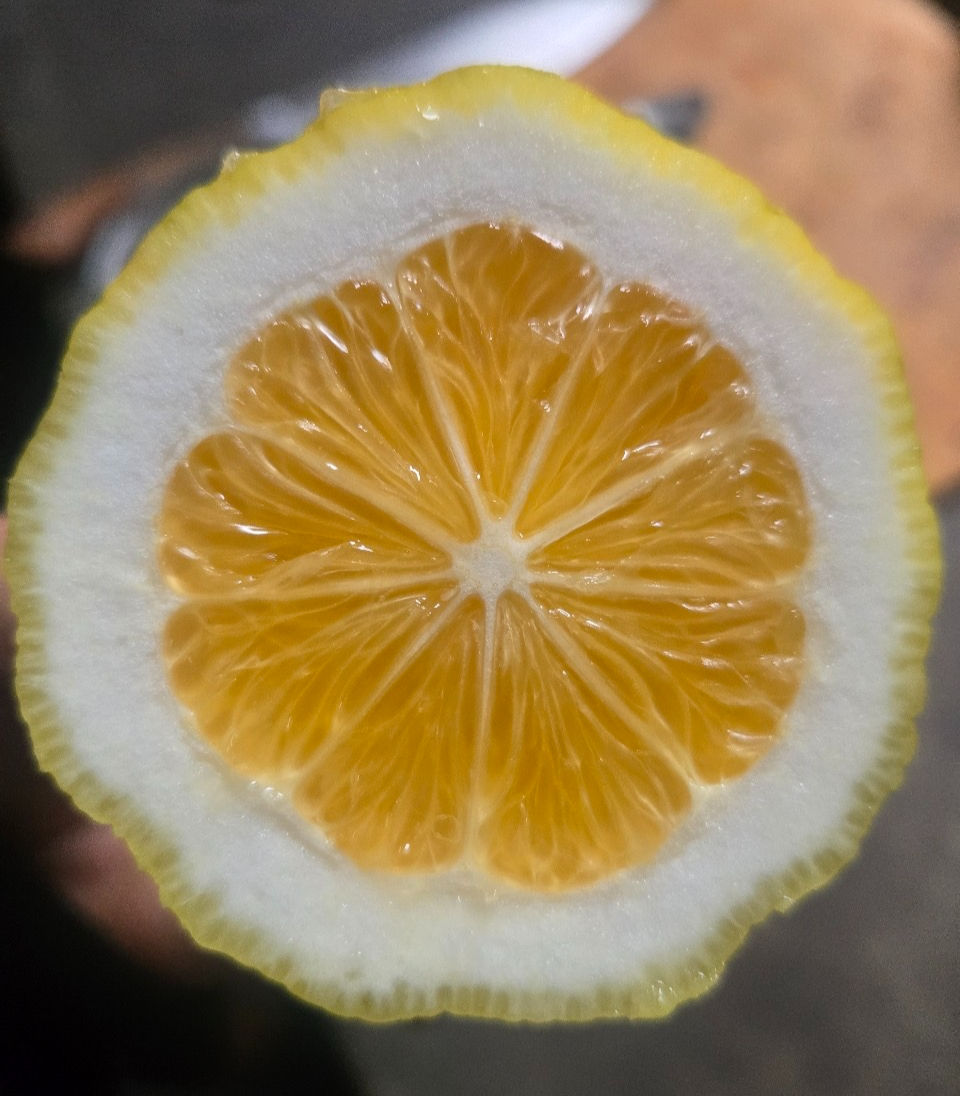
There are lots of options on the shelves at the grocery store that fit the bill, but our crew also loves making their own salad dressings. To make your own, you can use this basic formula: an acid (think citrus juice or vinegar), a fat (your favorite flavor oil), and seasonings.
One basic iteration of this would be lemon juice, olive oil, and salt & pepper. Shake the ingredients up in a jar to pour over your salad, or drizzle them directly on top separately. You might be surprised at how delicious such a simple dressing can be. As you peruse your pantry, you can start experimenting with additions or swaps - apple cider or red wine vinegar instead of lemon juice, fresh grated garlic or dried herbs for the seasoning, even adding a little bit of honey or maple syrup for sweetness.
What all of us at the farm do agree on is the method of dressing a salad. For best results, ditch the salad tongs and use clean hands to gently toss all the ingredients and dressing together.
Final Thoughts

A couple weeks ago when I started asking the crew for their favorite salad tips, I never expected it to become the weeks-long, farm-wide conversation that it became. We've all learned a thing or two from each other like the kale massage hack, the bread-crumb-for-crouton swap, and the simple olive oil and lemon dressing recipe. I've learned that salad is more than just a fun crop to grow, but also a fun crop to eat.
With so many different ingredients and combinations to try, there are literally thousands of different salads that can be made. And with every person's unique preferences, there are no wrong answers. Only one thing is for certain:
I see a lot of salad in store for me this summer, and I can't wait.


Comments